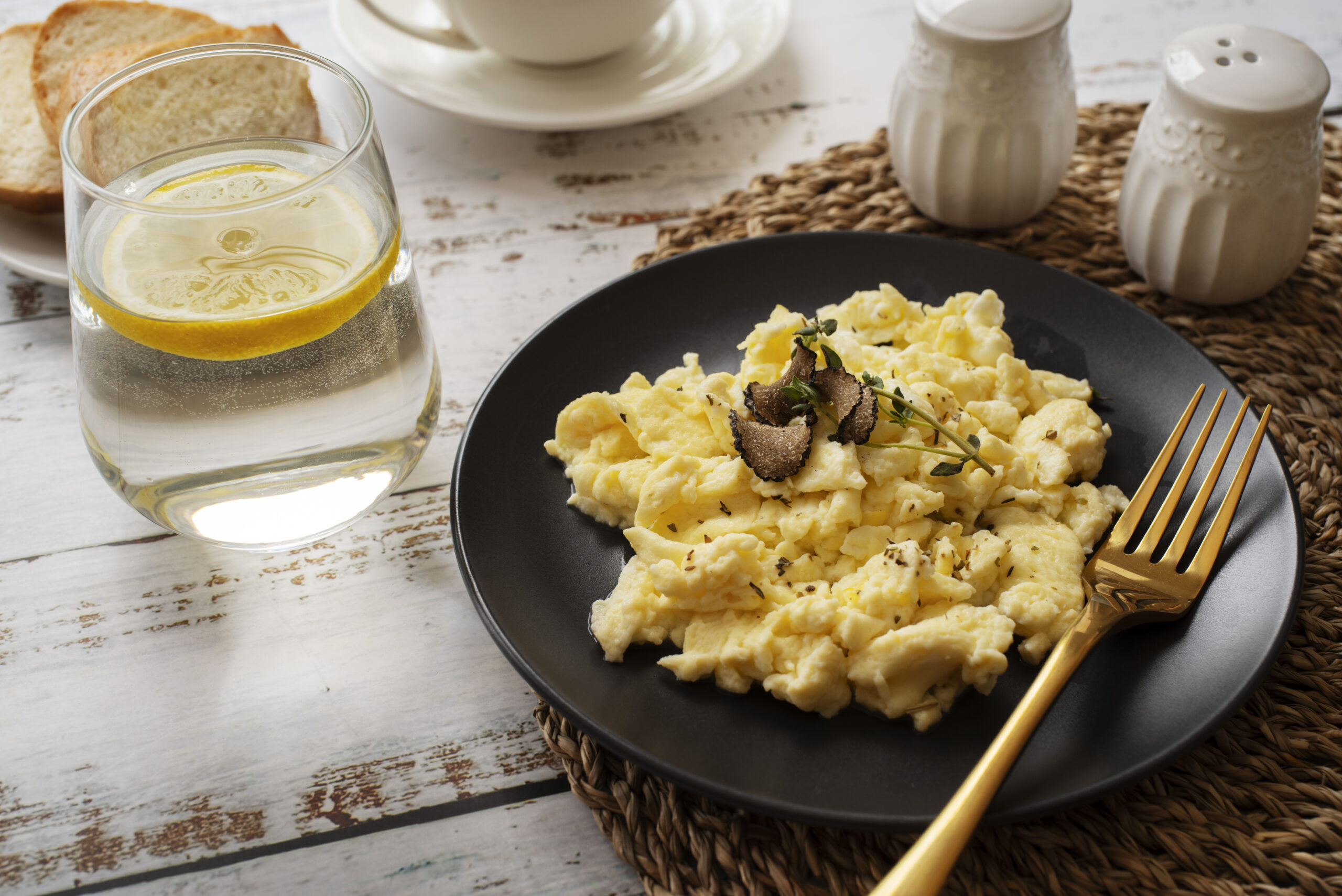
Scrambled eggs should be simple, but they’re weirdly easy to mess up—too rubbery, too dry, or weirdly watery. When you get them right, though, they’re soft, custardy, and just set, with big silky curds that feel like something from a hotel buffet (in a good way). The secret isn’t anything fancy; it’s about how you whisk, what you cook them in, and how gently you treat them on the heat.
This guide walks you through a classic, foolproof method for scrambled eggs, plus small tweaks for extra-fluffy, extra-creamy, or “lazy weekday” versions, and lots of mix-in ideas.
Scrambled Egg Basics
The Simple Ratio
For 1–2 people, start with:
- 2–3 large eggs per person
- 1–2 teaspoons milk, cream, or water per egg (optional, for softness)
- A pinch of salt
- A little butter or oil in the pan
You don’t have to add liquid, but a splash of milk, cream, or water helps keep the eggs tender and moist.
Best Pan & Tools
- Pan: A small nonstick skillet is the most forgiving choice for scrambled eggs.
- Fat: Butter for flavor, or a bit of neutral oil/olive oil if you prefer.
- Utensil: A silicone or rubber spatula makes it easy to push the eggs around without scraping the pan or tearing the curds.
Classic Soft Scrambled Eggs (Step-by-Step)
Serves: 1–2
Time: About 5 minutes
Ingredients
- 3 large eggs
- 1–2 tbsp milk, cream, or water (optional)
- ½–1 tbsp butter (or a drizzle of oil)
- Pinch of salt
- Freshly ground black pepper, to serve
1. Beat the Eggs Properly
- Crack the eggs into a small bowl.
- Add the milk/cream/water and a pinch of salt.
- Whisk vigorously with a fork or whisk until the yolks and whites are completely blended and the mixture looks one even color—no streaky whites.
A well-whisked egg mixture gives you more even texture and fluffier curds.
2. Preheat the Pan
- Place a nonstick skillet over medium-low heat.
- Add the butter or oil and let it melt/heat gently. You want it melted and just starting to foam or shimmer, not smoking.
Low to medium-low heat is the difference between creamy, tender eggs and dry, bouncy ones.
3. Cook Low and Slow
- Pour the beaten eggs into the center of the pan.
- Let them sit, undisturbed, for just a few seconds until the edges begin to look slightly set.
- Using your spatula, gently push the eggs from the outer edge of the pan toward the center, forming soft curds.
- Keep slowly pushing and folding, sweeping the spatula all around the pan.
Think of it as nudging the eggs into soft folds, not chopping or stirring aggressively.
4. Stop Before They Look Done
- When the eggs are mostly set but still a little glossy and slightly runny in spots, take the pan off the heat.
- The residual heat in the pan will continue cooking them for another minute or so.
- Give a final gentle stir, then slide onto a warm plate.
If they look perfect in the pan, they’ll be overcooked on the plate—pull them a little early.
5. Season & Serve
- Taste and add a pinch more salt if needed.
- Finish with black pepper, chopped chives, or any toppings you like (cheese, herbs, hot sauce).
- Serve right away—scrambled eggs are best fresh, not held for ages.
How to Make Your Scrambled Eggs Fluffier, Creamier, or Faster
You can take that basic method and tweak it based on what you like.
For Fluffier Eggs
- Whisk a tablespoon or so of milk or water per 2–3 eggs.
- Beat the eggs a little longer to incorporate more air.
- Cook over medium instead of medium-low, moving the spatula a bit faster to create slightly larger, fluffy curds.
For Extra-Creamy Eggs
- Use cream or half-and-half instead of milk.
- Cook on low heat, taking your time (2–3 minutes instead of 1–2).
- Keep the curds small and soft by stirring gently and constantly.
- Stop as soon as they’re just set and still shiny.
Some chefs stir in a little bit of reserved raw egg right at the end, using the pan’s residual heat to finish them for a very custardy texture.
For High-Protein Scrambled Eggs
- Whisk 2–3 tablespoons cottage cheese into every 2 eggs for more protein and extra creaminess, then cook as usual.
Easy Mix-Ins & Variations
Add mix-ins toward the end of cooking so they warm through without watering down the eggs.
Cheese Scrambled Eggs
- Stir in a small handful of grated cheddar, Swiss, mozzarella, or feta during the last minute of cooking.
- Let it melt slightly but don’t over-stir or you’ll lose the nice strands.
Veggie Scramble
- Sauté chopped veggies (onion, bell pepper, spinach, mushrooms, tomatoes) in the pan before adding the eggs.
- When the veg is cooked and most moisture is gone, add your beaten eggs and scramble as usual.
Herby Scrambled Eggs
- Finely chop chives, parsley, dill, basil, or cilantro.
- Fold into the eggs just before they finish cooking, or sprinkle on top.
Scrambled Eggs with Meat
- Use leftover cooked sausage, bacon bits, ham, or shredded chicken.
- Warm the meat in the pan first, then pour in the eggs and cook together.
Two Other Methods You Might Like
1. Fast, Fluffy Restaurant-Style Scramble
This one is all about hotter pan, faster movement:
- Preheat a nonstick pan with a bit of oil over medium-high until it’s hot but not smoking.
- Pour in well-whisked, salted eggs.
- Immediately start stirring in quick circles with a spatula, scraping the bottom constantly.
- In under a minute you’ll have soft, fluffy curds.
Great when you’re in a hurry and don’t mind slightly firmer eggs.
2. Low-and-Slow Luxury Scramble
For lazy weekends and very creamy eggs:
- Use low heat and plenty of butter.
- Stir slowly and continuously for several minutes, keeping the eggs moving but never letting them brown.
- Finish with a dab of butter or cream off the heat.
This style takes a bit longer but gives incredibly silky, custardy eggs.
Quick Troubleshooting
My eggs are rubbery or dry.
- The heat was too high, or you cooked them too long.
- Next time, cook on medium-low and pull them while they’re still shiny and slightly soft.
They’re watery.
- Too much milk (or watery veggies), or the eggs were undercooked.
- Use just a little liquid, cook gently until just set, and sauté vegetables first so their moisture cooks off.
They keep sticking to the pan.
- Use a good nonstick pan or well-seasoned skillet.
- Make sure there’s enough butter/oil and that the pan is preheated on low/medium, not blazing hot.
They taste bland.
- Salt the eggs before cooking and finish with a bit more salt and pepper.
- Add fresh herbs, cheese, or a squeeze of hot sauce or salsa.
Simple Serving Ideas
Once you’ve nailed scrambled eggs, you can turn them into a full meal quickly:
- Piled on buttered toast with chives
- Wrapped in a breakfast burrito with cheese, salsa, and potatoes
- Over rice or leftover grains with soy sauce, scallions, and chili oil
- With roasted veggies and avocado for a high-protein, low-effort dinner
- As part of a “breakfast board” with fruit, bacon, toast, and yogurt